OpenAI and Poland’s NASK Agree to Explore AI Safety Research
OpenAI and NASK announce an AI safety research agreement, covering system evaluations, vulnerabilities and safeguards. Specific funding and milestones remain unstated.
PHP issues October 23 session upload guidance after emergency RCE patches. What changed, which releases contain fixes, and what website operators should check.
Read the story ↗
OpenAI and NASK announce an AI safety research agreement, covering system evaluations, vulnerabilities and safeguards. Specific funding and milestones remain unstated.
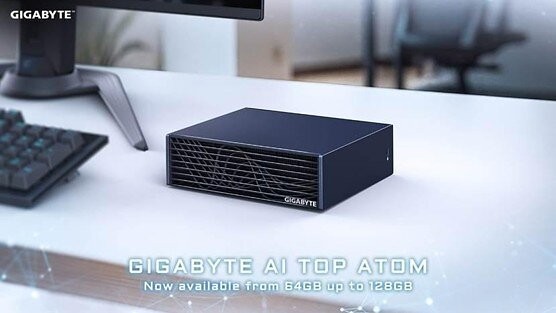
GIGABYTE’s 64GB AI TOP ATOM reaches its October 23 availability date. The DGX Spark-based desktop adds a memory option for local AI development.

Coast raises $35 million led by Thomvest Ventures, with Intuit Ventures joining, to expand payments and financial software for businesses working in the field.

LSEG agrees a $3.535 billion cash acquisition of Octus, adding credit intelligence and workflow tools. The deal is expected to close in early 2027, subject to approval.

Helion announces a letter of intent for up to $175 million in CHIPS R&D funding, targeting power semiconductors for fusion. A final award agreement is still pending.
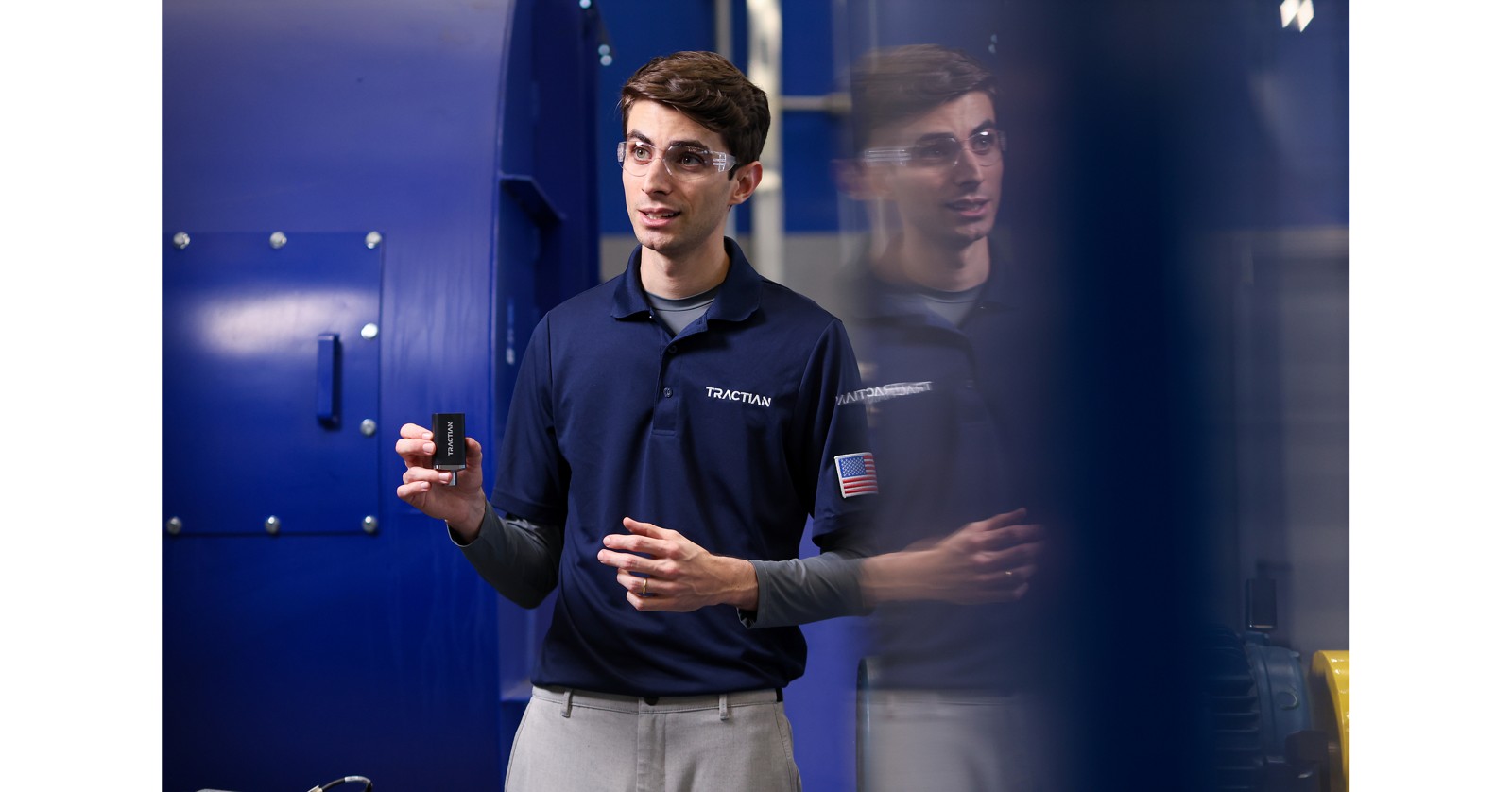
Tractian’s $130 million Series D values it at $1.4 billion. The funding puts industrial sensors, machine diagnosis and maintenance decisions in focus.
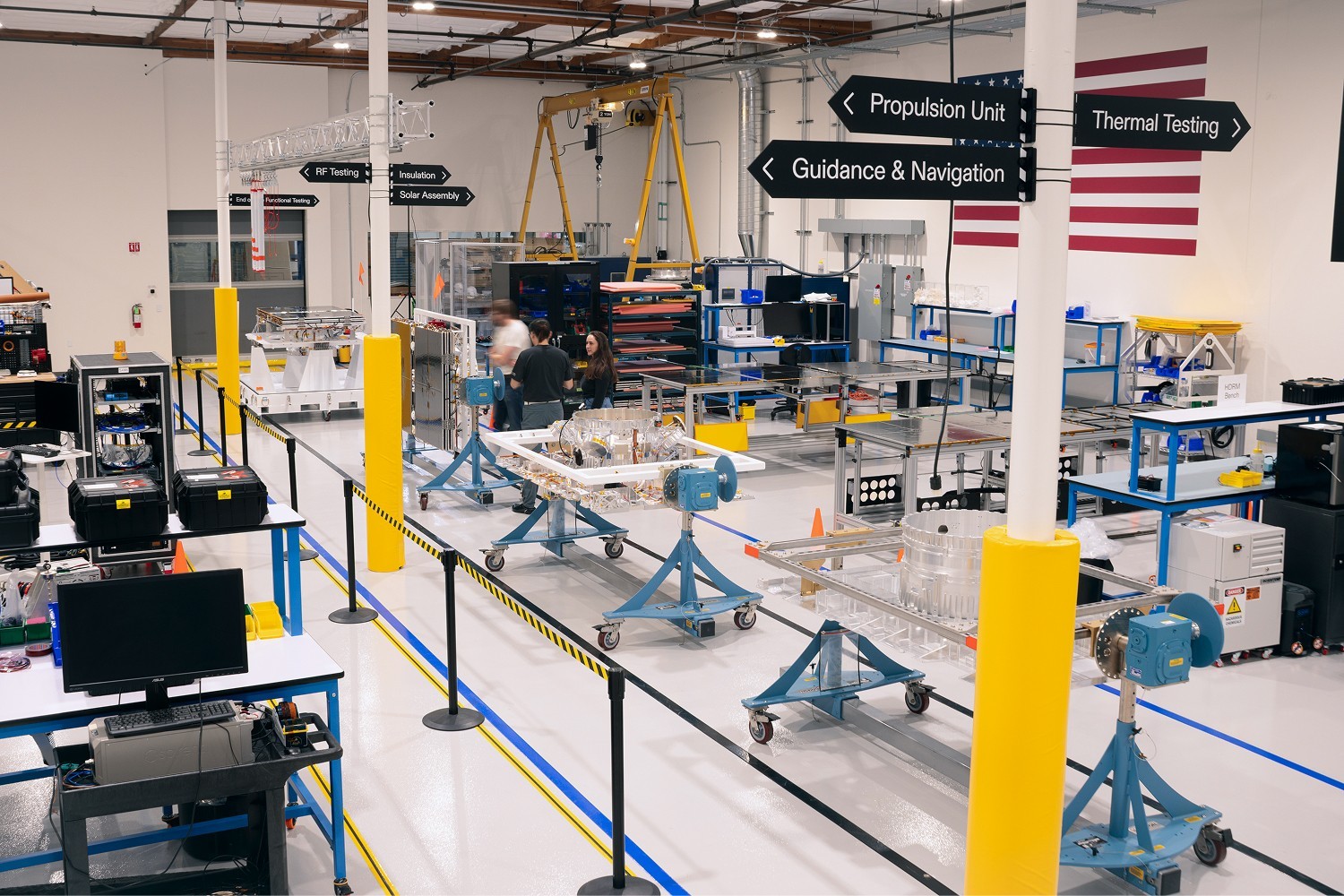
Xona raises $250 million at a $2.45 billion valuation as it begins deploying Pulsar, its commercial low Earth orbit navigation network.

Bose acquires Skullcandy after an existing technology partnership. Skullcandy will remain a separate brand based in Park City; financial terms were not disclosed.

Anthropic’s Claude Duet enters a limited research preview for US Pro and Max subscribers, with connected-app monitoring, task execution and approval safeguards.
PHP issues October 23 session upload guidance after emergency RCE patches. What changed, which releases contain fixes, and what website operators should check.
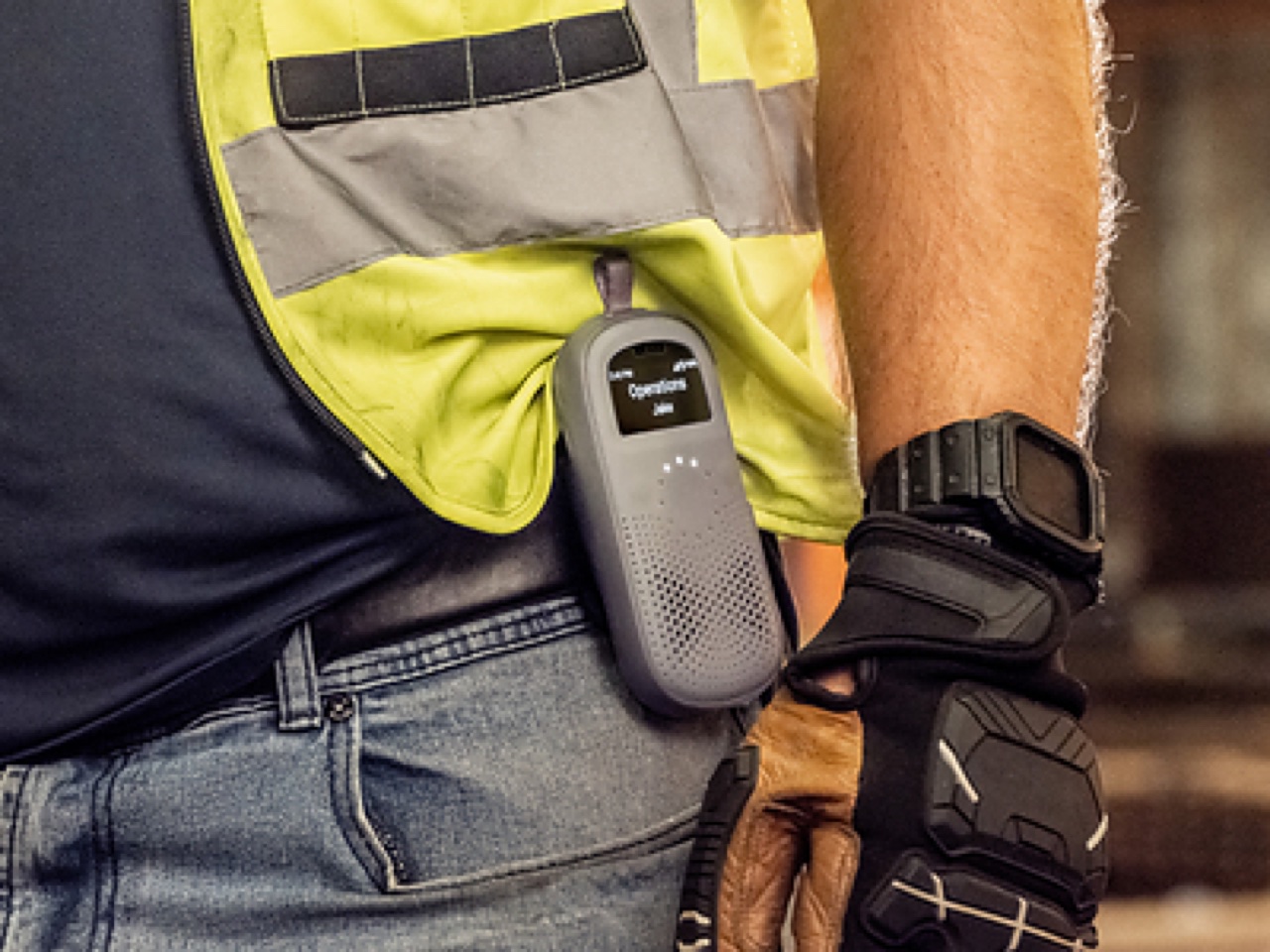
Relay raises $36 million with International Paper leading the round. Examine the customer-investor relationship and the next tests for frontline technology.

Kuro raises €10 million for construction AI. The new funding puts contractor knowledge, auditable estimating and repeatable customer value in focus.
Classiq introduces its Fault Tolerance Engine to connect quantum programs with physical resource planning, with clear limits on what estimates establish.
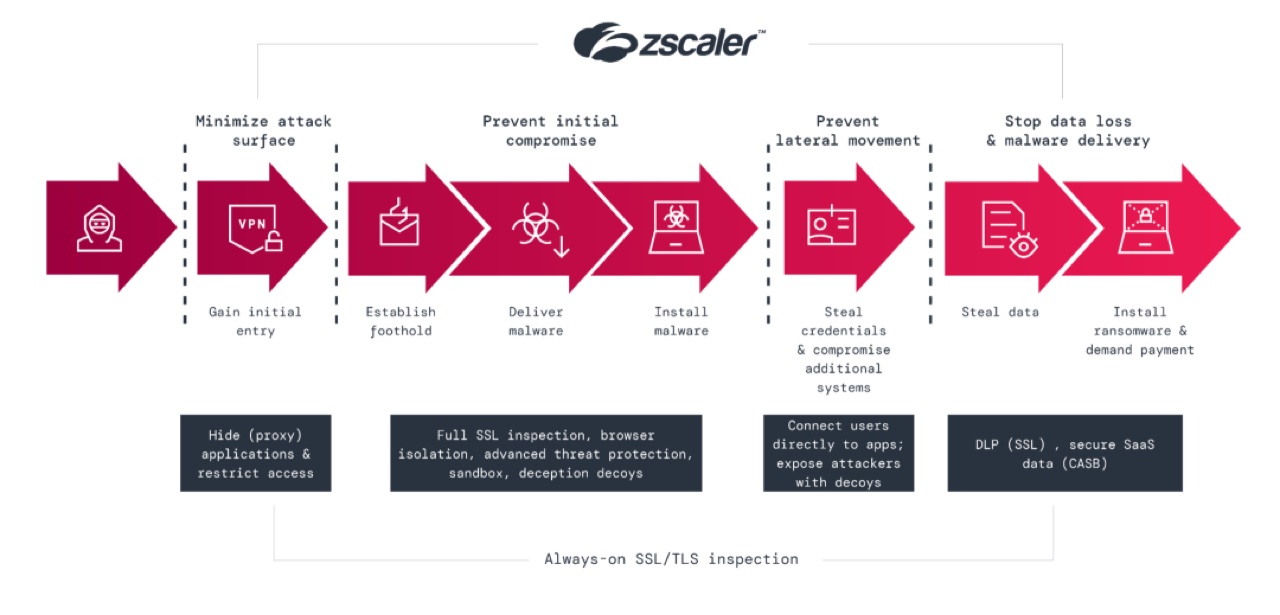
Zscaler publishes new ransomware findings on data theft. Read the 275% growth figure correctly and distinguish the release date from the attack period.

Regula and Bernini.ai announce identity verification inside AI conversations, making authorisation and the evidence behind agent actions central questions.
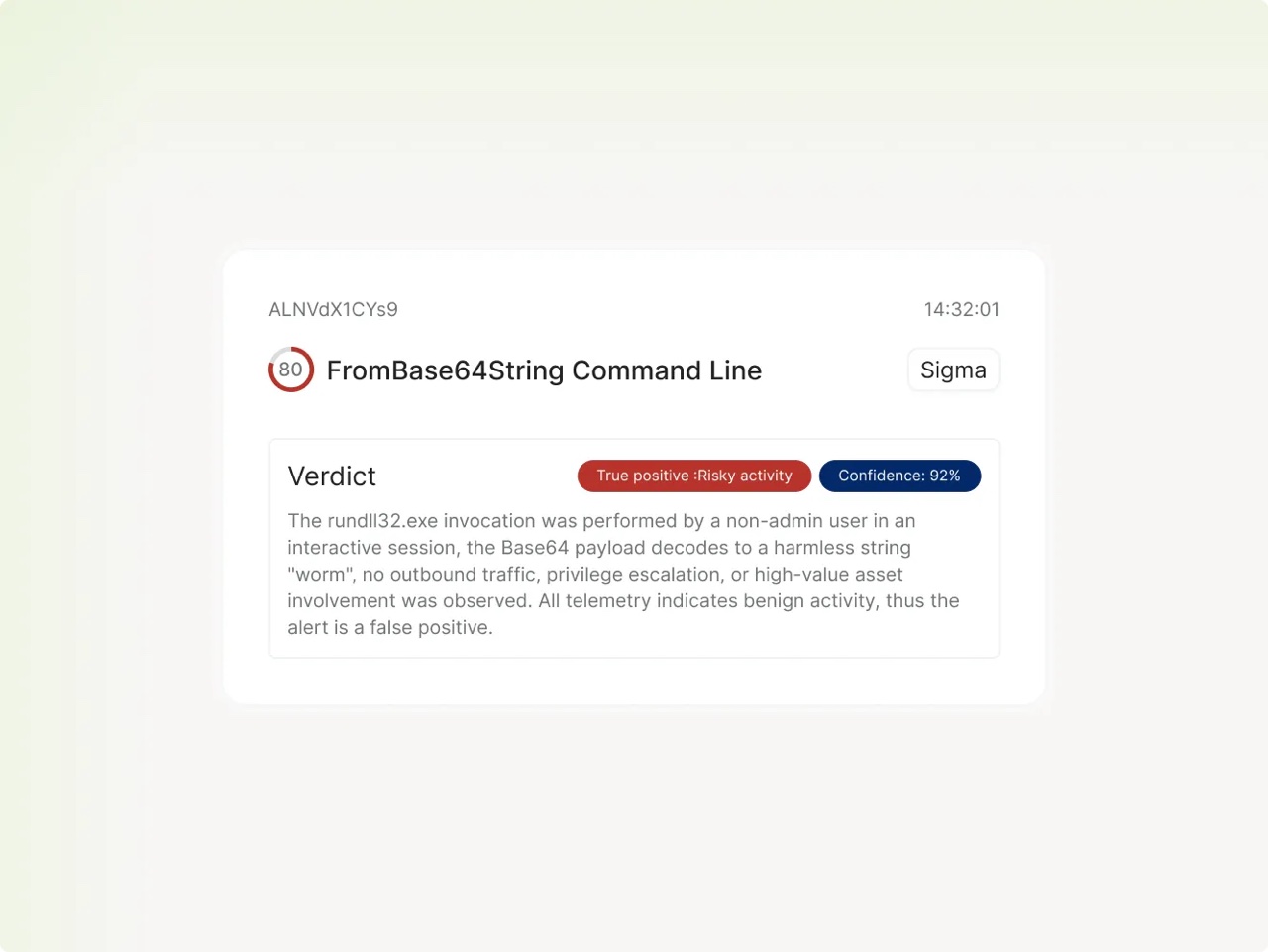
Sekoia launches Elevate for AI security investigations. Its reported speed needs to be evaluated alongside accuracy, analyst effort and inspectable evidence.

Logitech launches Zone Vibe Pro headsets for work and personal audio. Compare the announced editions, fleet management and practical evaluation questions.
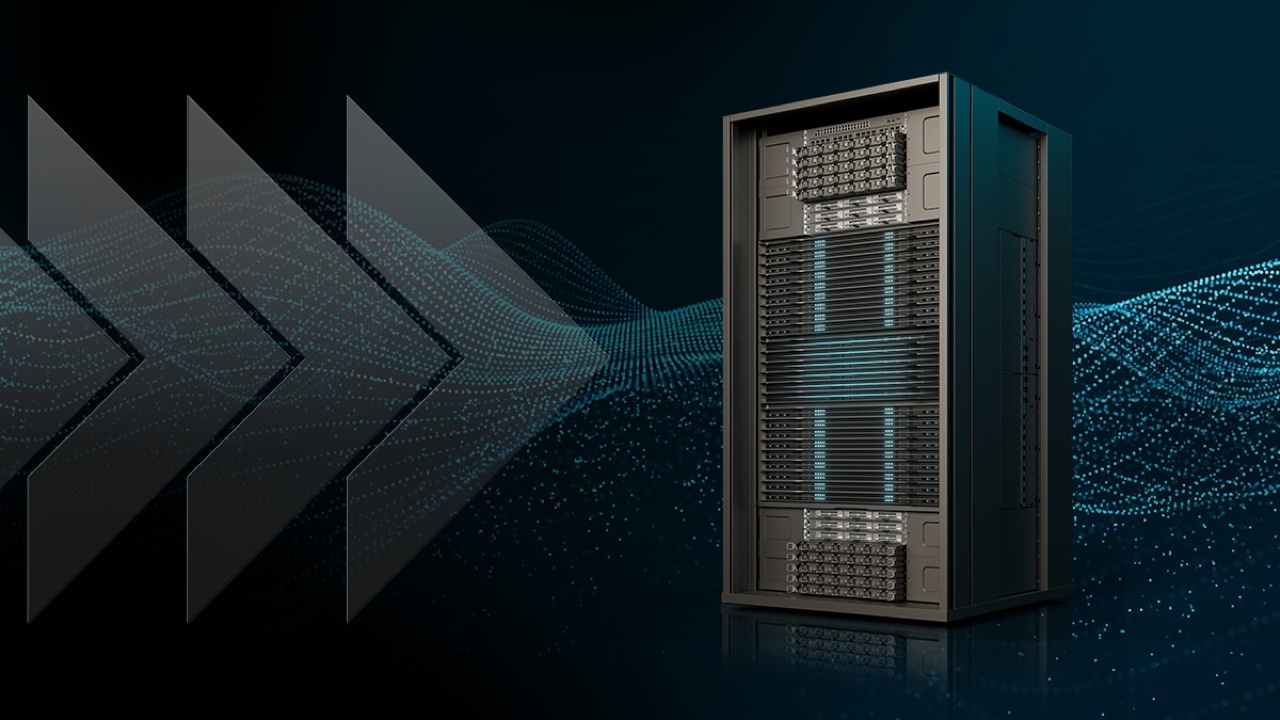
HPE announces a $1.2 billion AMD Helios order from Vultr. The next evidence is delivered capacity, usable services and workload economics.

Amazon and Synopsys expand their custom silicon agreement beyond $1 billion, linking design IP, engineering software and cloud development.

Microsoft Project Online reaches its September 30 retirement date. Review the service scope and the workflow continuity questions behind a migration.
Compare IonQ, IBM, Quantinuum, Google and D-Wave by architecture, error correction, commercial access and the evidence behind their quantum computing claims.

Owner.com, Talopet, Shopify, Jobber and Square compared by business type, with practical guidance for restaurants, pet-care operators, retailers and service teams.
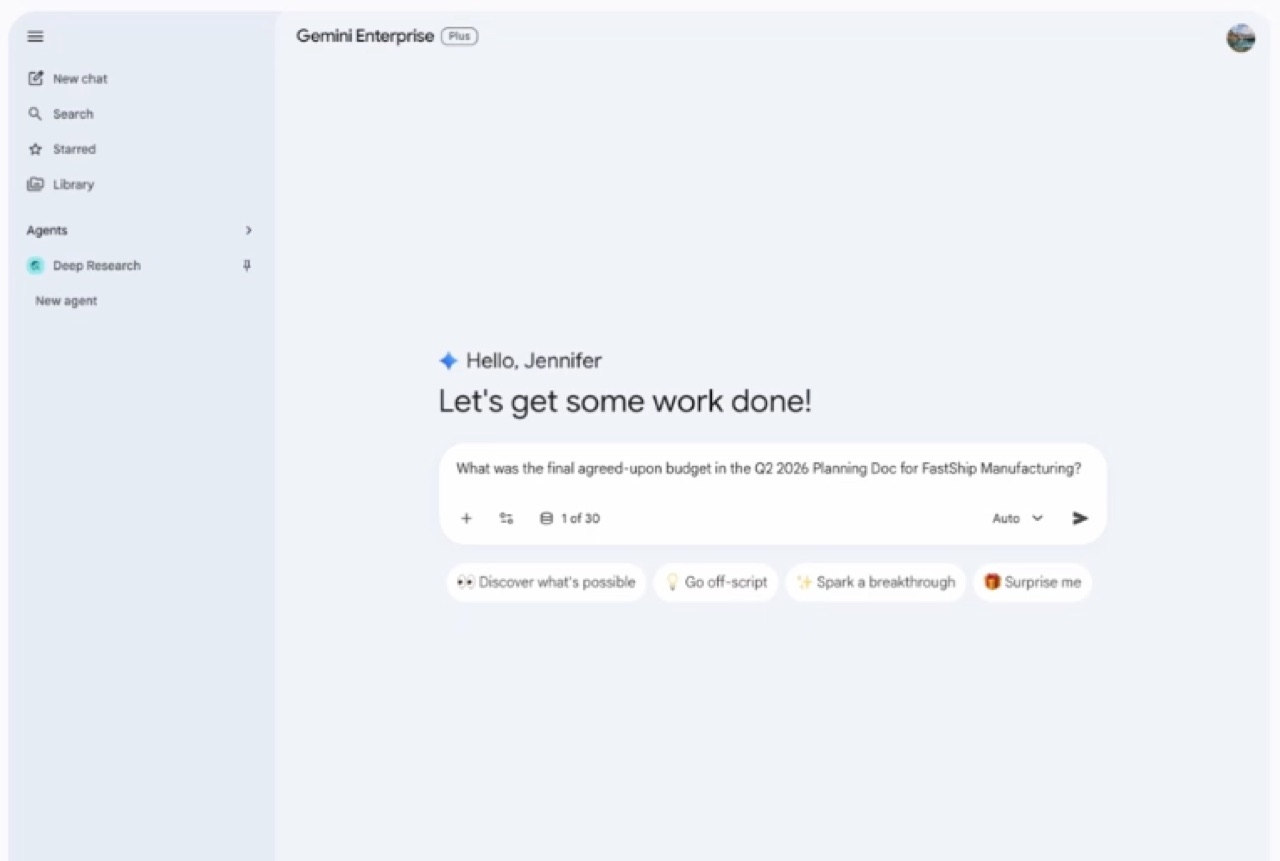
Compare enterprise AI companies by integration, governance, and implementation fit. A practical shortlist of Microsoft, Google, Anthropic, and OpenAI.

Compare endpoint security companies for small IT teams. Microsoft, CrowdStrike, and SentinelOne ranked by operating fit, with clear limits on the evidence.
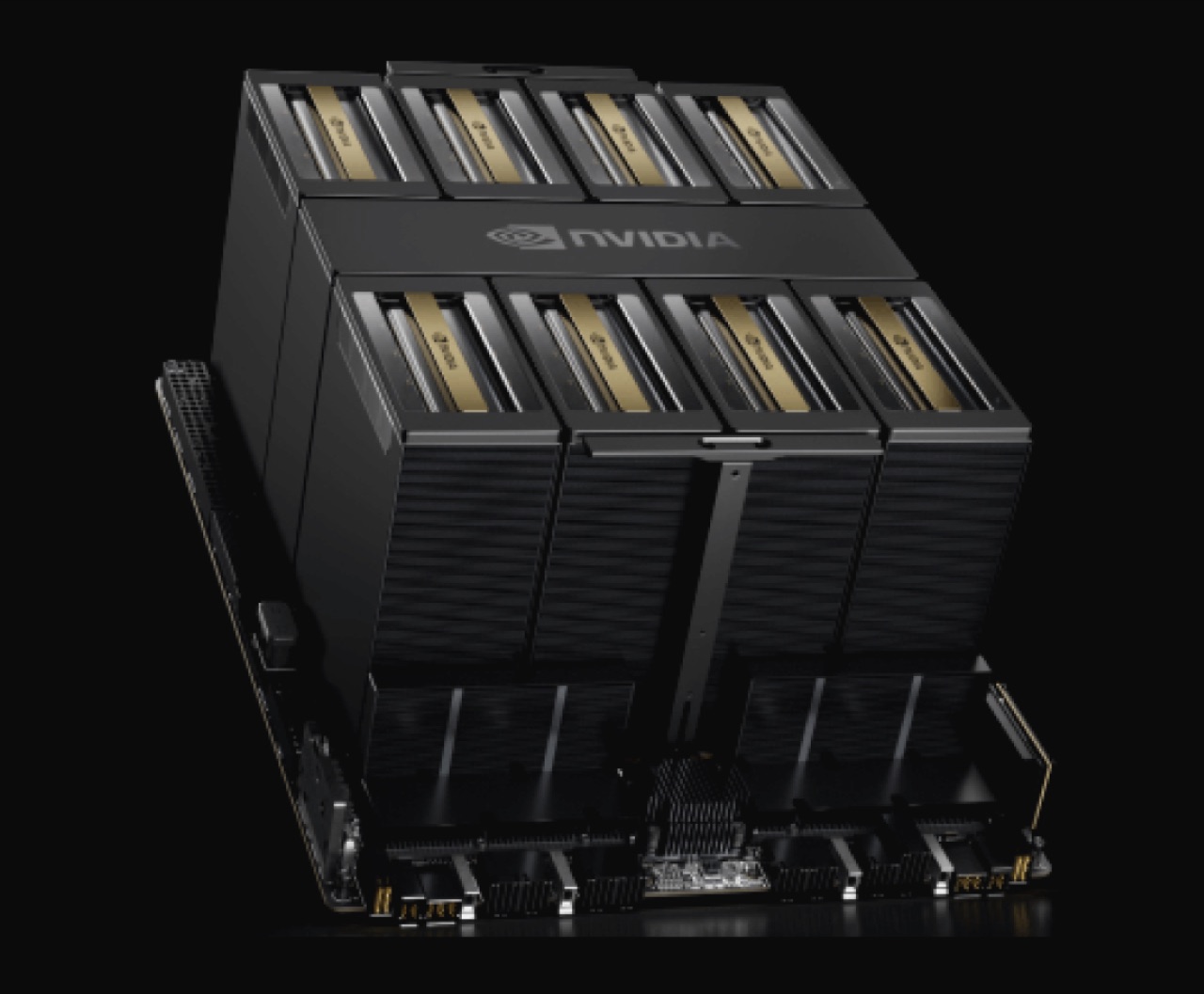
Compare GPU cloud providers for a first production launch. Runpod, Lambda, and CoreWeave assessed by deployment fit, pricing clarity, and workload requirements.
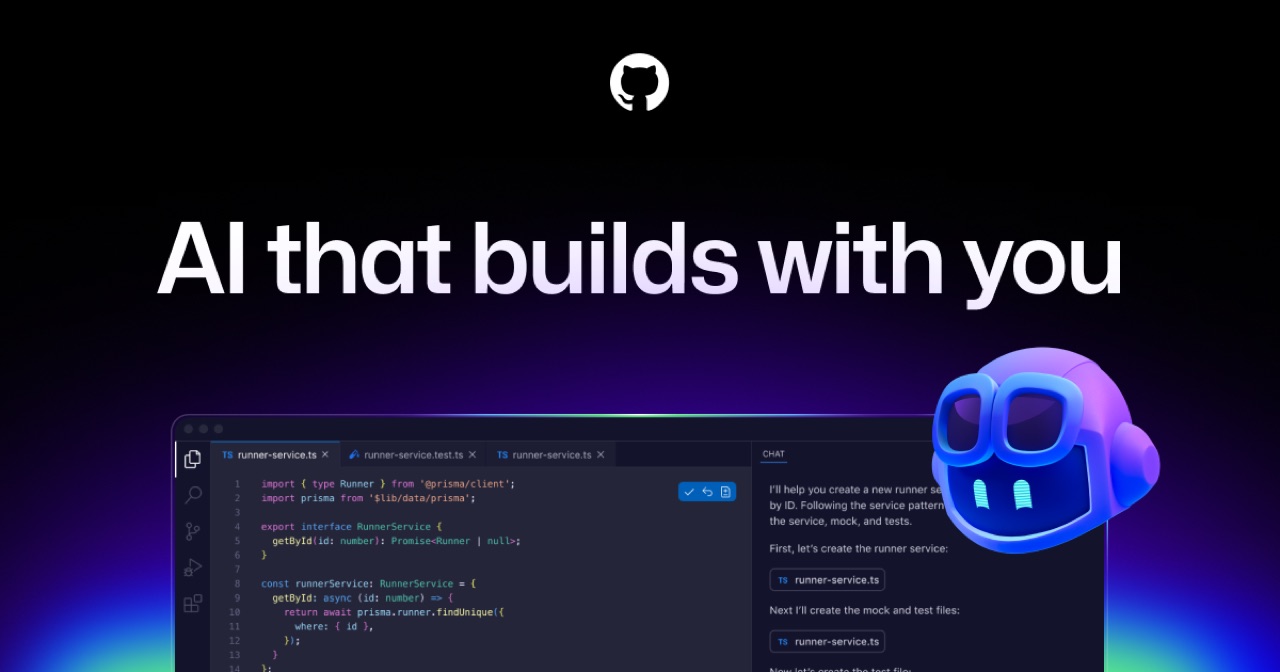
Compare AI developer tool companies for small teams. GitHub, GitLab, Cursor, and Atlassian assessed by workflow fit, agent capabilities, and review burden.
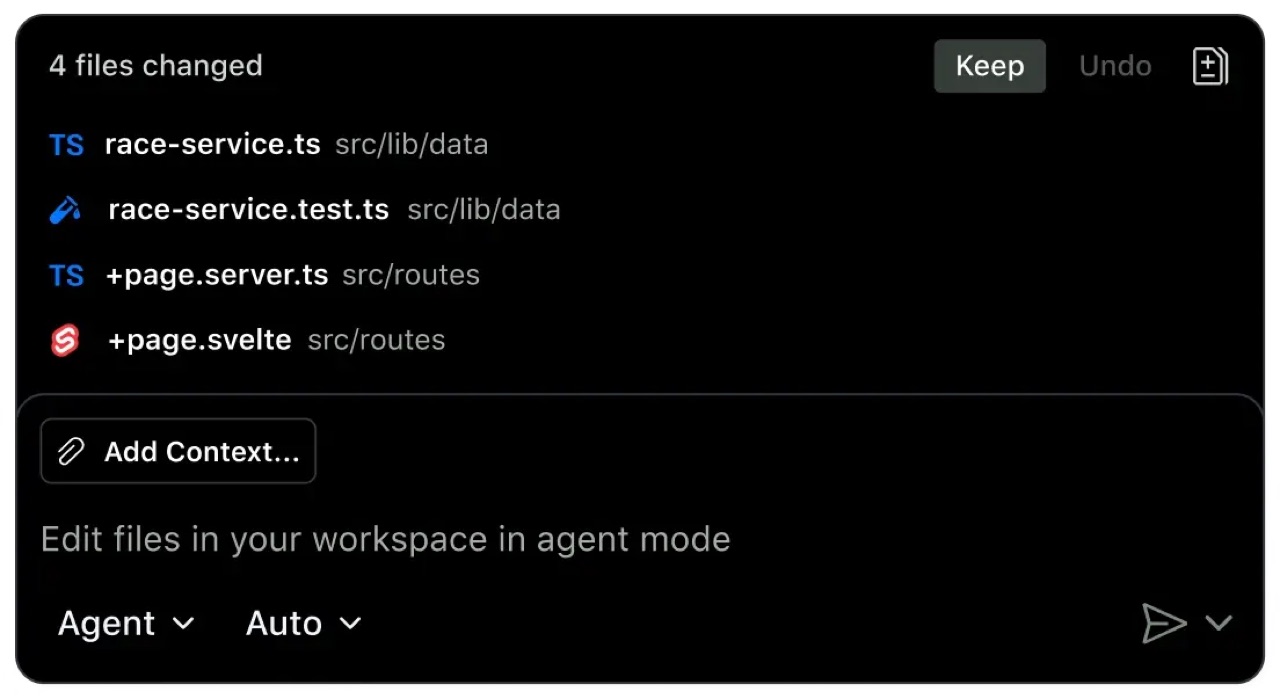
Coding agent review determines whether generated changes become useful software. Examine tests, task context, accountability, and the full acceptance cycle.
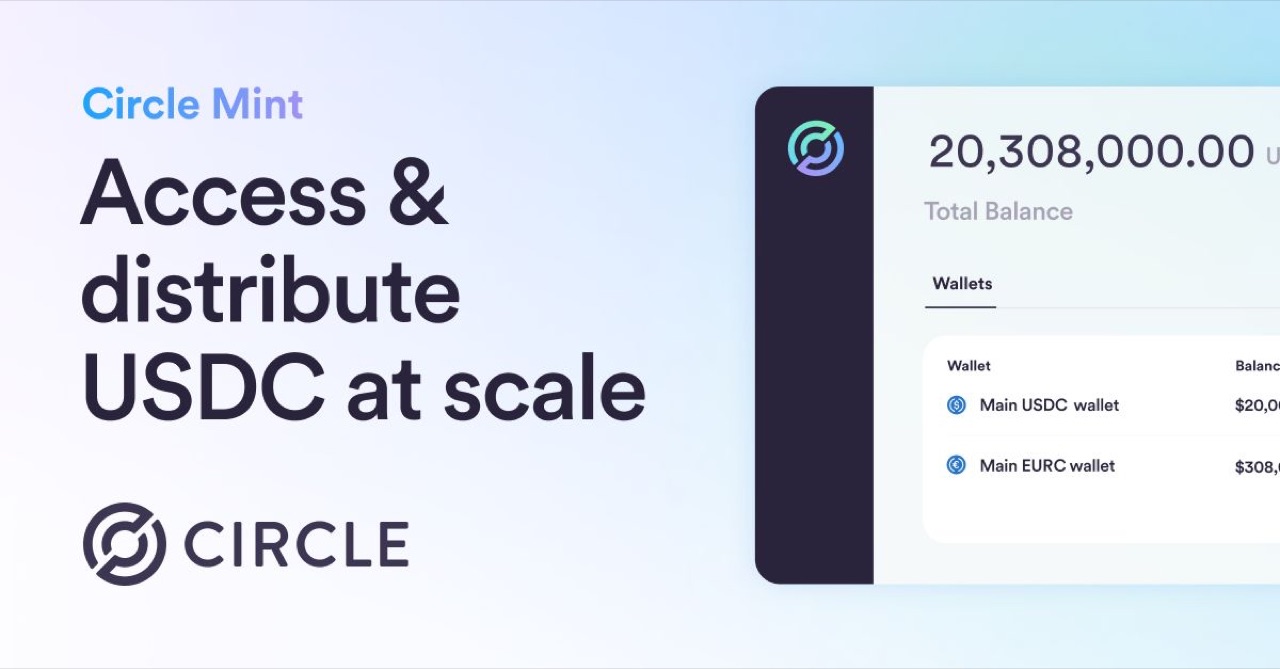
Compare stablecoin infrastructure companies by their role in a payment product. Bridge, Circle, and Fireblocks assessed with explicit operational boundaries.
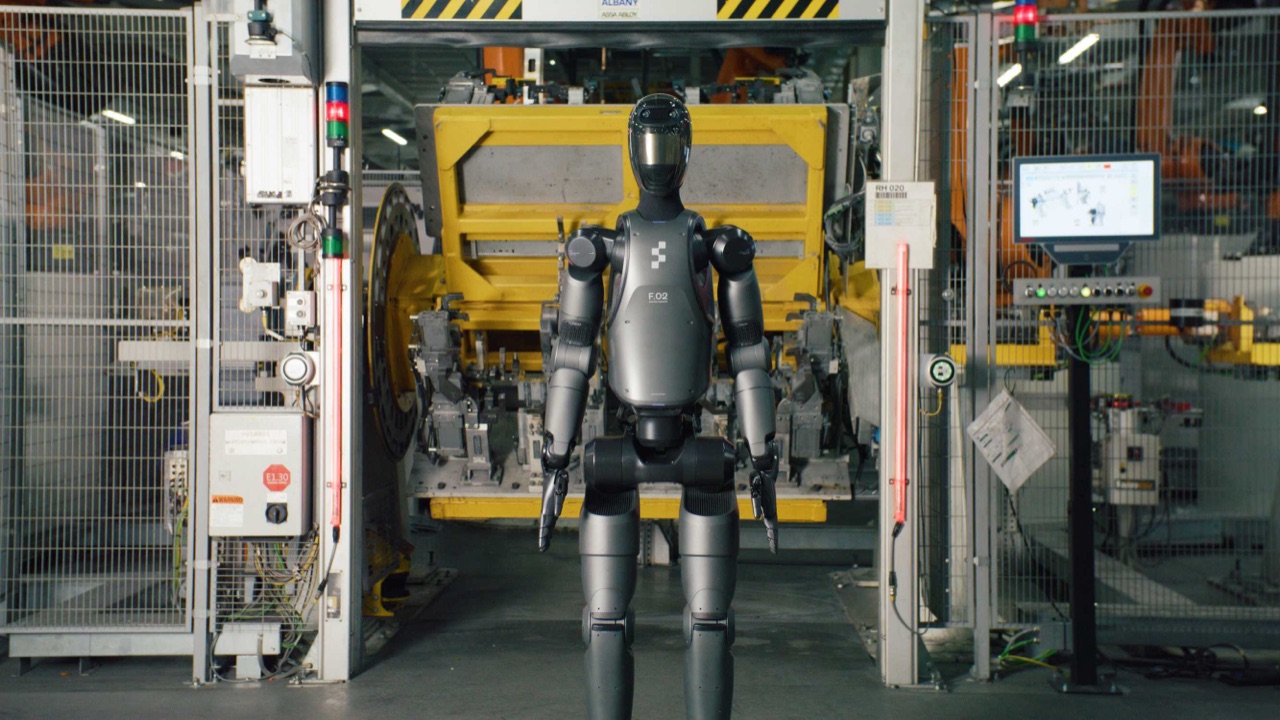
Humanoid robotics companies ranked by customer-side deployment evidence. Compare Agility, Figure, and Hexagon while distinguishing agreements from pilots.
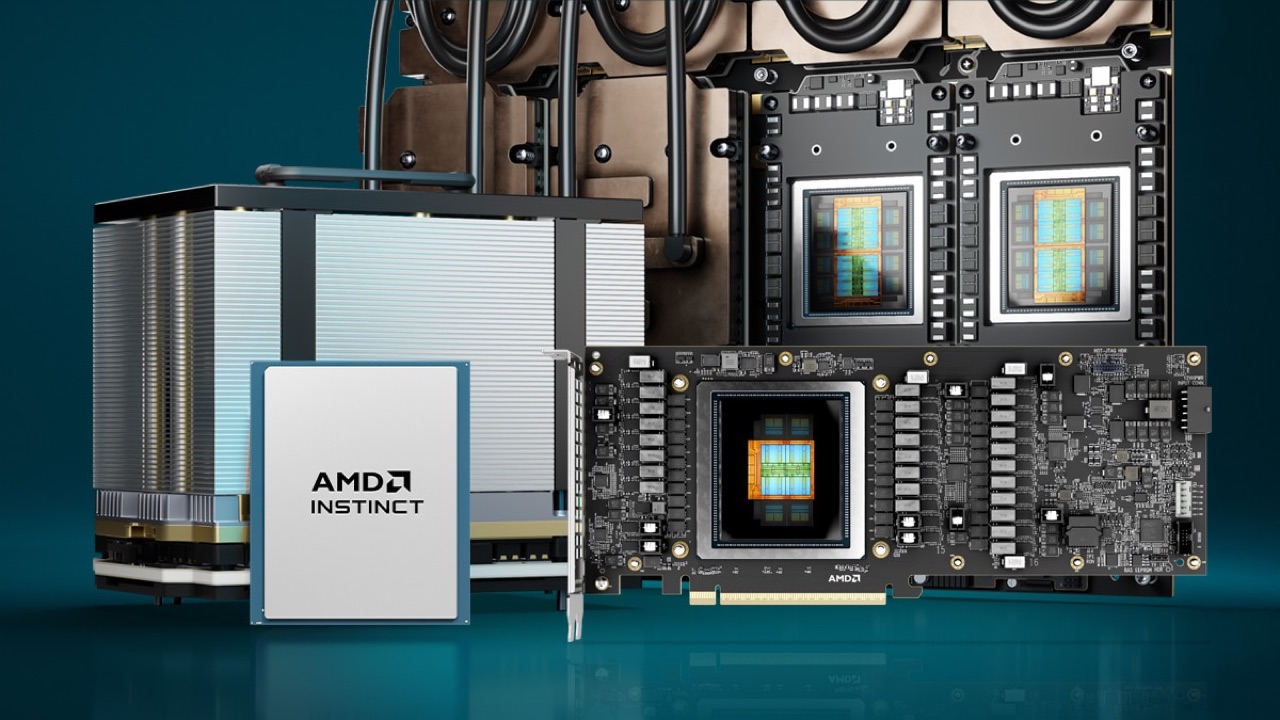
Compare AI chip companies for model inference. NVIDIA, AMD, AWS, and Google assessed by software path and deployment fit, without unsupported speed rankings.
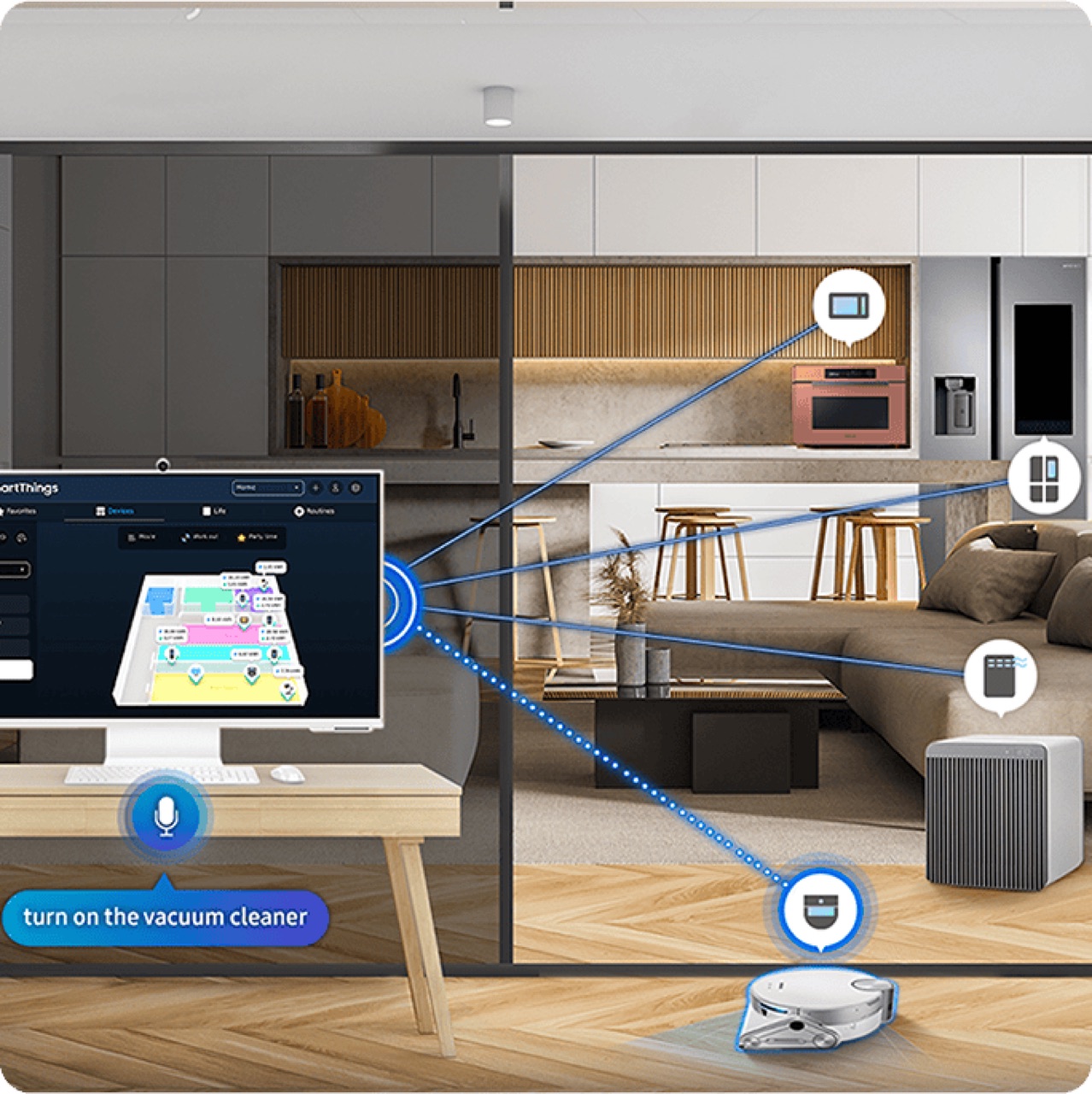
Compare smart home companies for a mixed-brand household. Samsung, Apple, and Google assessed by compatibility checks, platform fit, and hub requirements.
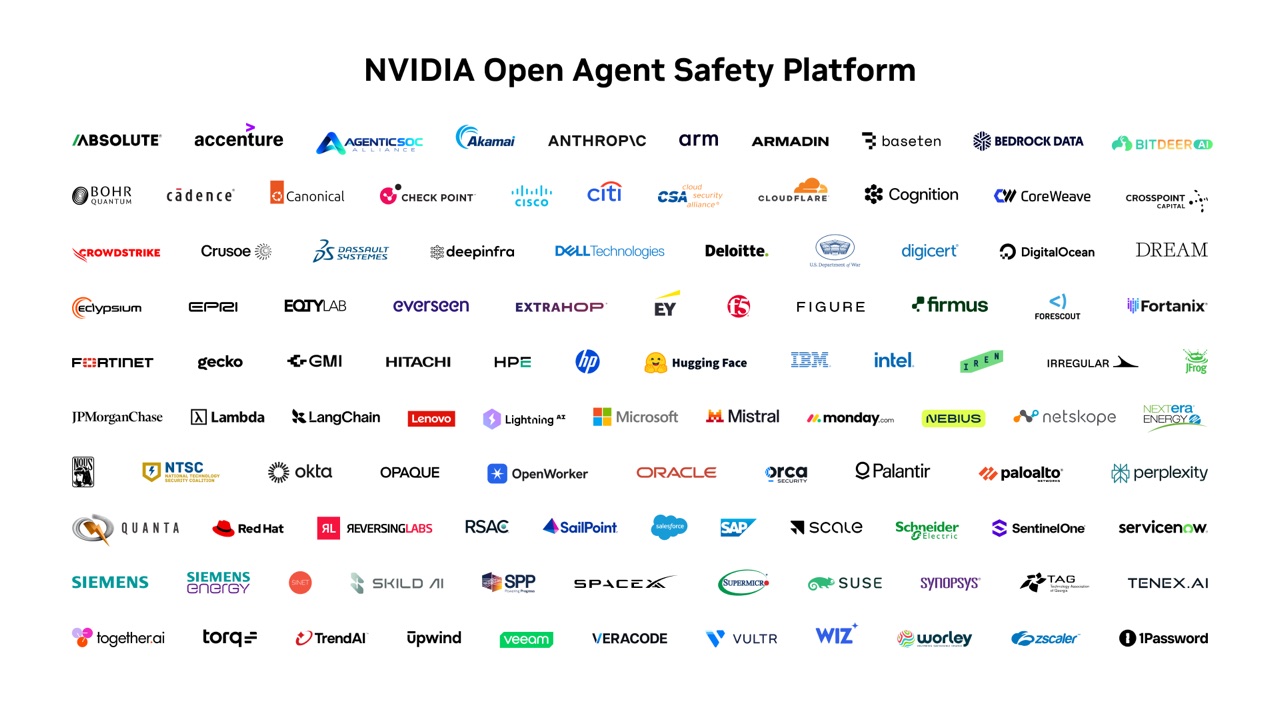
NVIDIA announced its Open Agent Safety Platform on September 28, 2026, combining OpenShell runtime software with the Sentry reference system design. The company presents the platform as a way to enforce boundaries around agents across software and the systems that run them.
BofA Securities initiated IonQ coverage at Buy with a $60 target. Examine the reported analyst call, hardware roadmap and commercial execution still required.

GPU cloud pricing goes beyond hourly rates. Examine utilization, storage, capacity, and recovery when estimating the cost of an acceptable AI deployment.

AMD, Cisco and HUMAIN announced on August 31, 2026 that an AI infrastructure deployment in Saudi Arabia was operating and serving HUMAIN customers. The systems combine AMD Instinct MI355X GPUs and EPYC CPUs with Cisco networking.
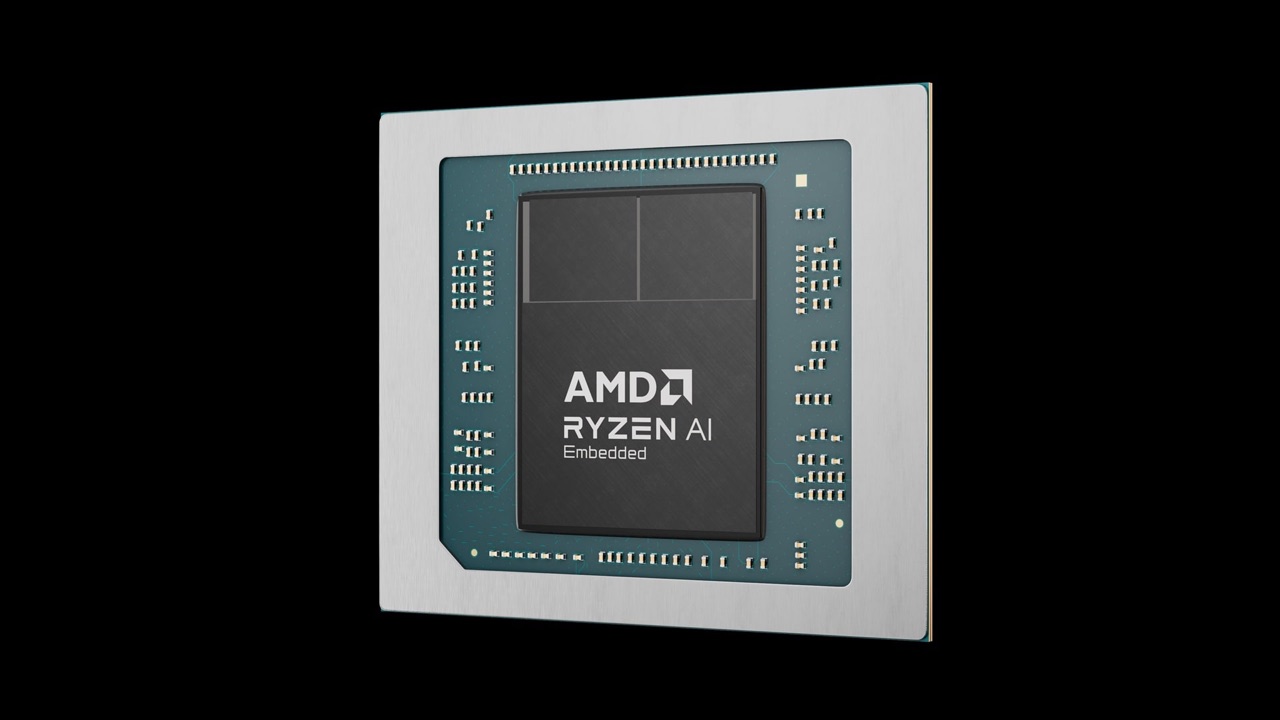
AMD announced Ryzen AI Embedded X100 Series processors on July 23, 2026, extending its embedded lineup for robotics, industrial automation and other systems that combine computation with activity in the physical world.
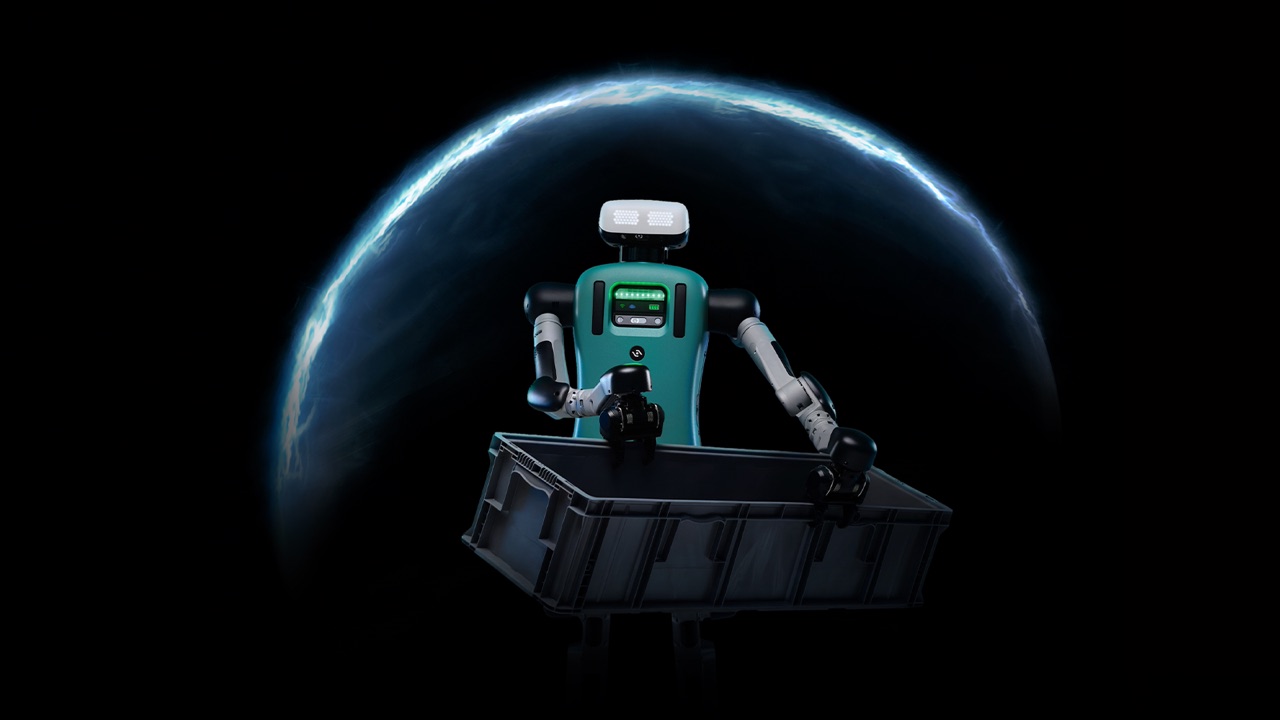
Robotics safety shapes deployment economics and operations. Examine the work area, recovery process, and responsibilities behind a factory robot purchase.
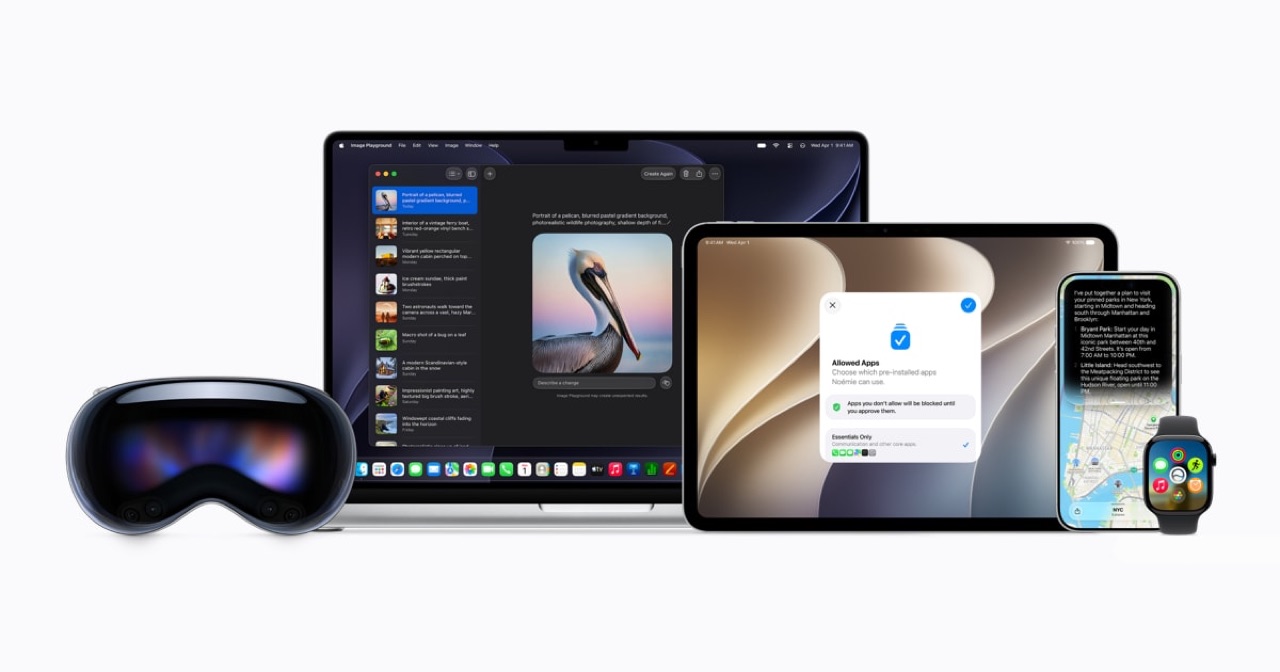
Apple previewed Siri AI and a new generation of Apple Intelligence on June 8, 2026 at WWDC. The announcement places an expanded assistant within its upcoming software releases across the company's device platforms.

Microsoft announced a new Surface for Business portfolio on May 19, 2026, including Surface Pro and Surface Laptop devices powered by Intel Core Ultra Series 3 processors. The company said those devices were available that day in selected markets, with Snapdragon X2 models planned for later in the year.

Enterprise AI implementation depends on permissions, ownership, and accepted work. Examine the systems around agents before treating usage as business value.
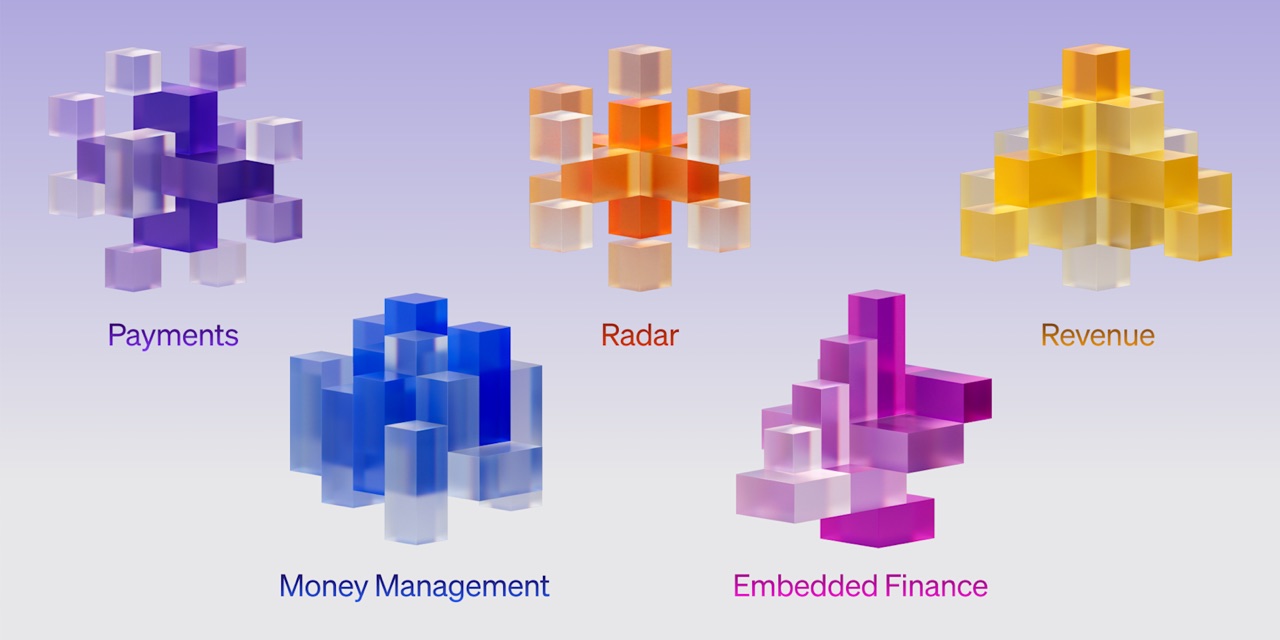
Stripe announced an expansion of its agent-commerce tools on April 29, 2026 at Sessions. The company described merchant catalog access through the Agentic Commerce Suite and a Link agent wallet that lets users authorize payments while retaining spending approvals and purchase visibility.
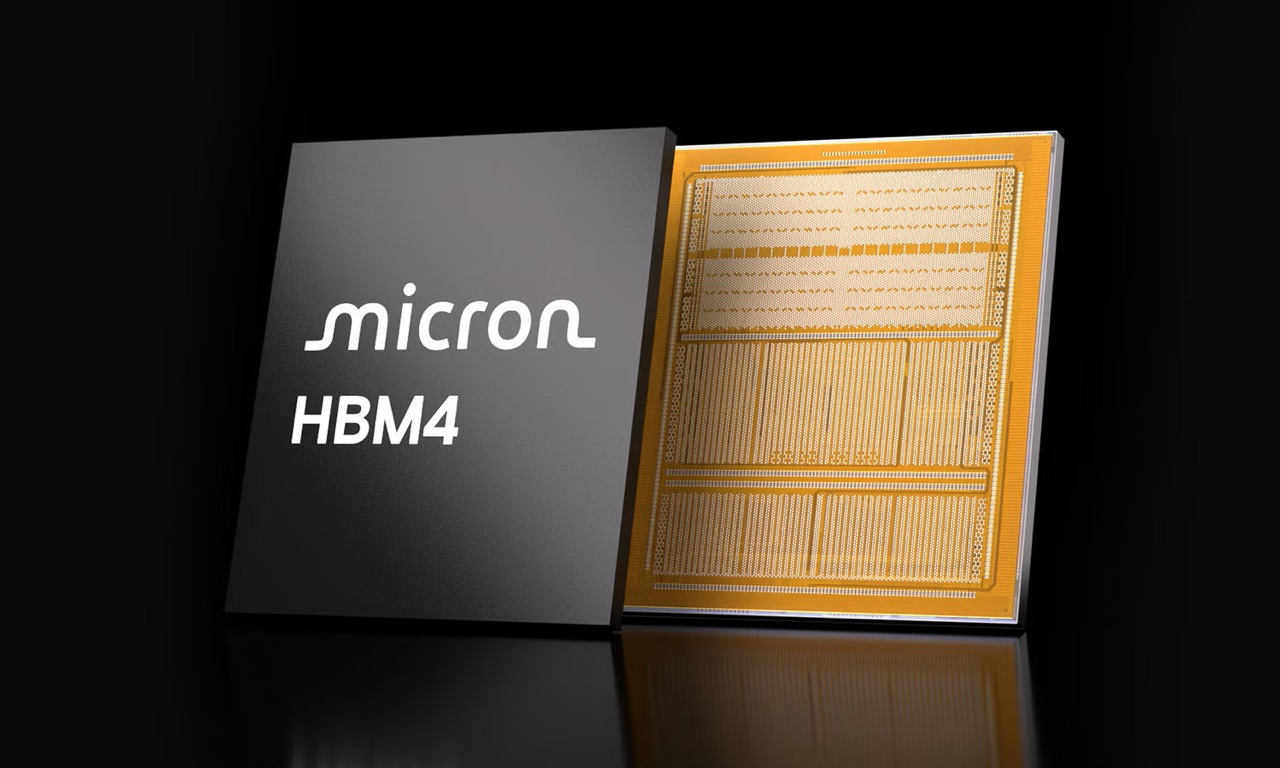
AI hardware bottlenecks extend beyond processors. Examine memory, packaging, software, and operating constraints before accepting a system performance claim.
Apple announced M5 Pro and M5 Max on March 3, 2026, introducing what it calls Fusion Architecture for its professional laptop chips. The design connects two dies into a single system on a chip and combines CPU, GPU, memory and other functions for the new MacBook Pro.
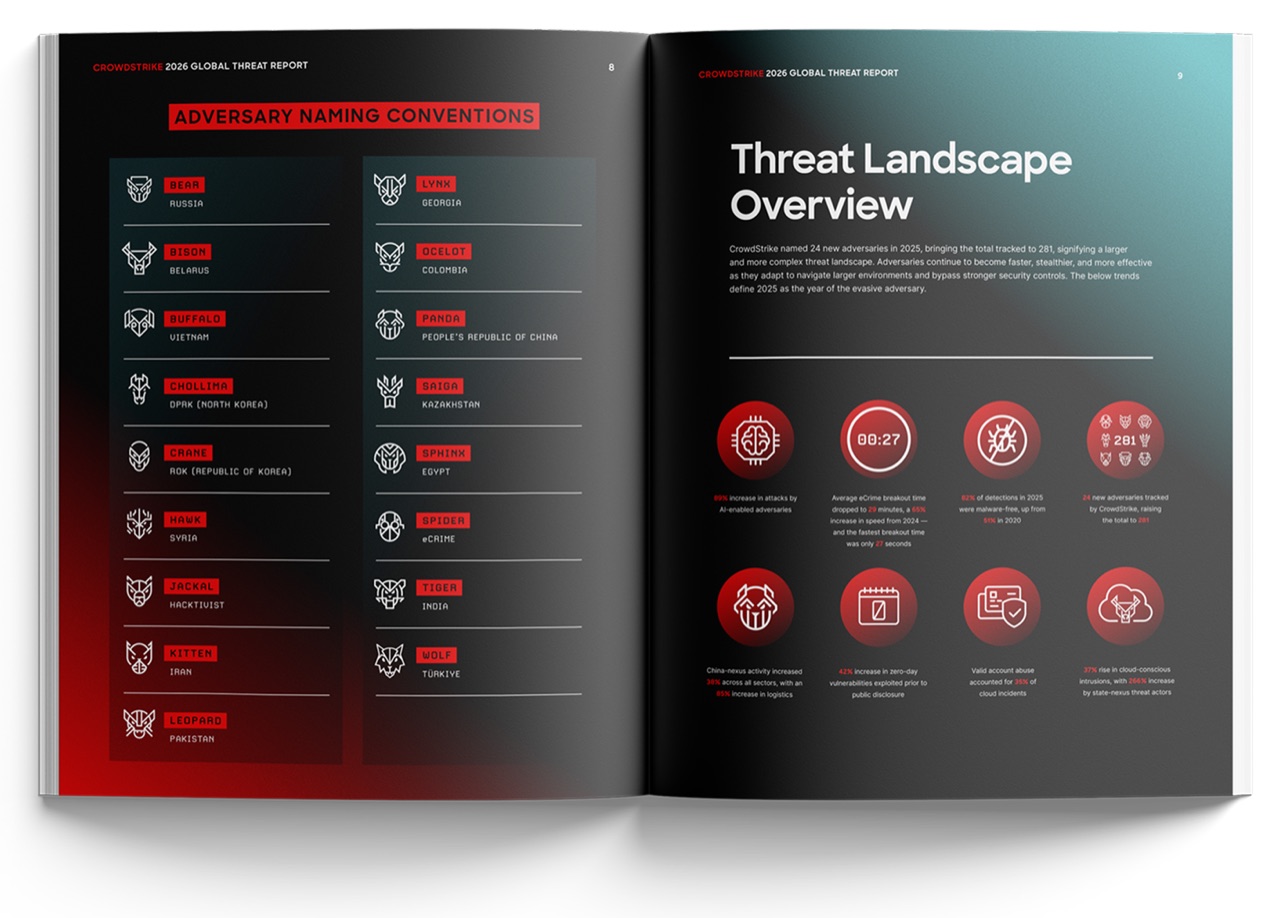
AI-assisted attacks put identity controls and incident response under pressure. What businesses should check before connected agents gain operational access.

Anthropic released Claude Sonnet 4.6 on February 17, 2026, describing improvements in coding, computer use, planning and long-context work. The company also introduced a one-million-token context window in beta and made the model the default for Free and Pro users in Claude and Claude Cowork.
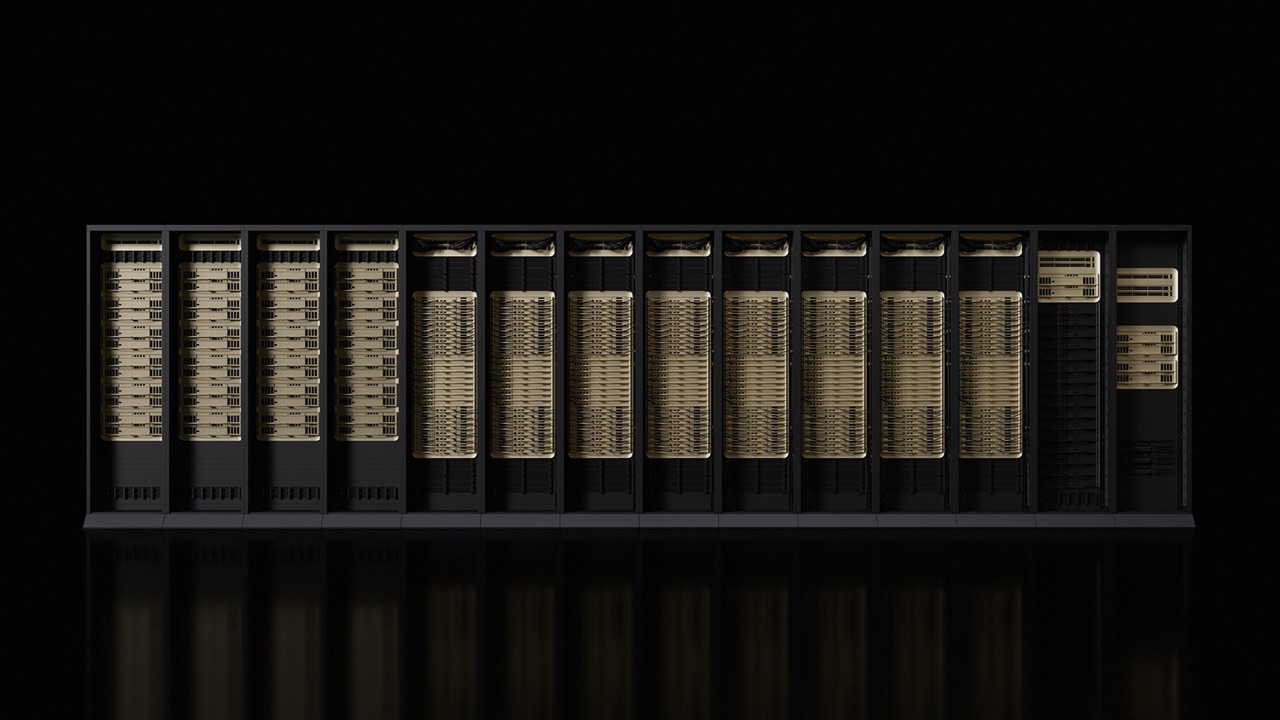
NVIDIA announced the Rubin platform on January 5, 2026, presenting a coordinated system built around six chips rather than an accelerator alone. The launch combines the Vera CPU and Rubin GPU with networking, switching and data-processing components.
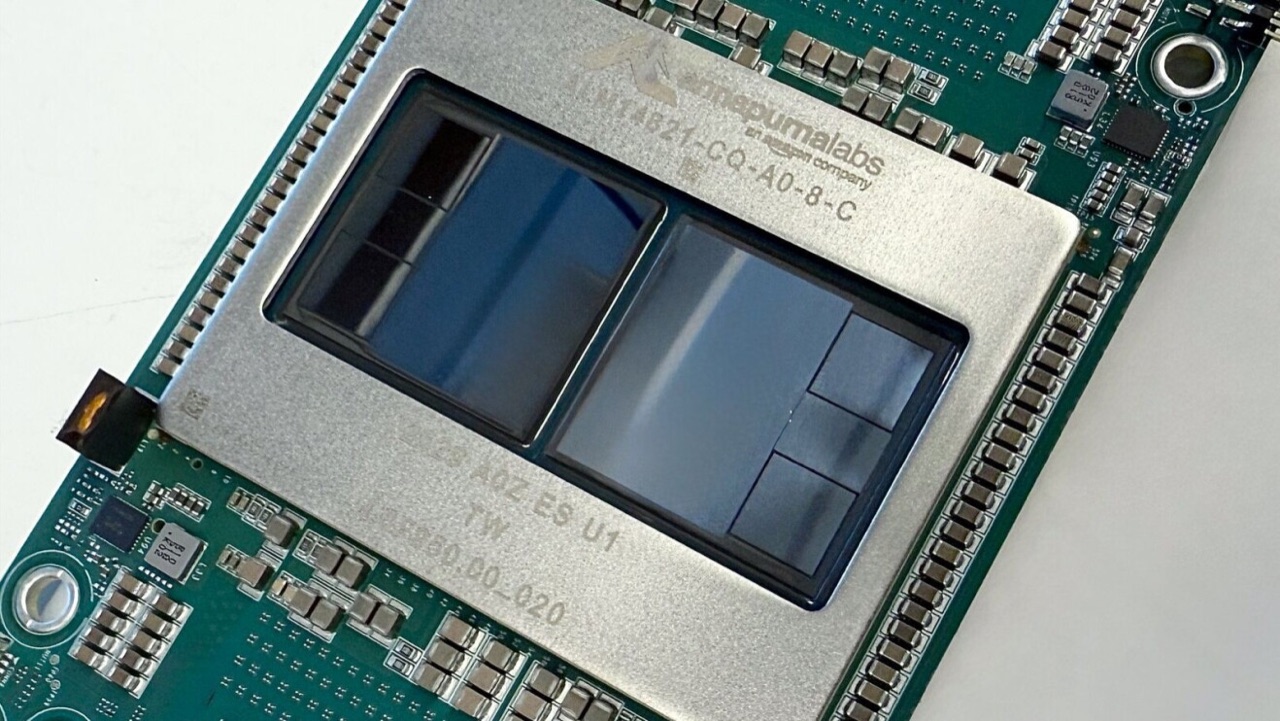
AWS announced general availability of Trainium3 UltraServers on December 2, 2025 at re:Invent. The Amazon EC2 systems use Trainium3, which the company describes as its first AI chip built on a three-nanometer process, for model training and inference.
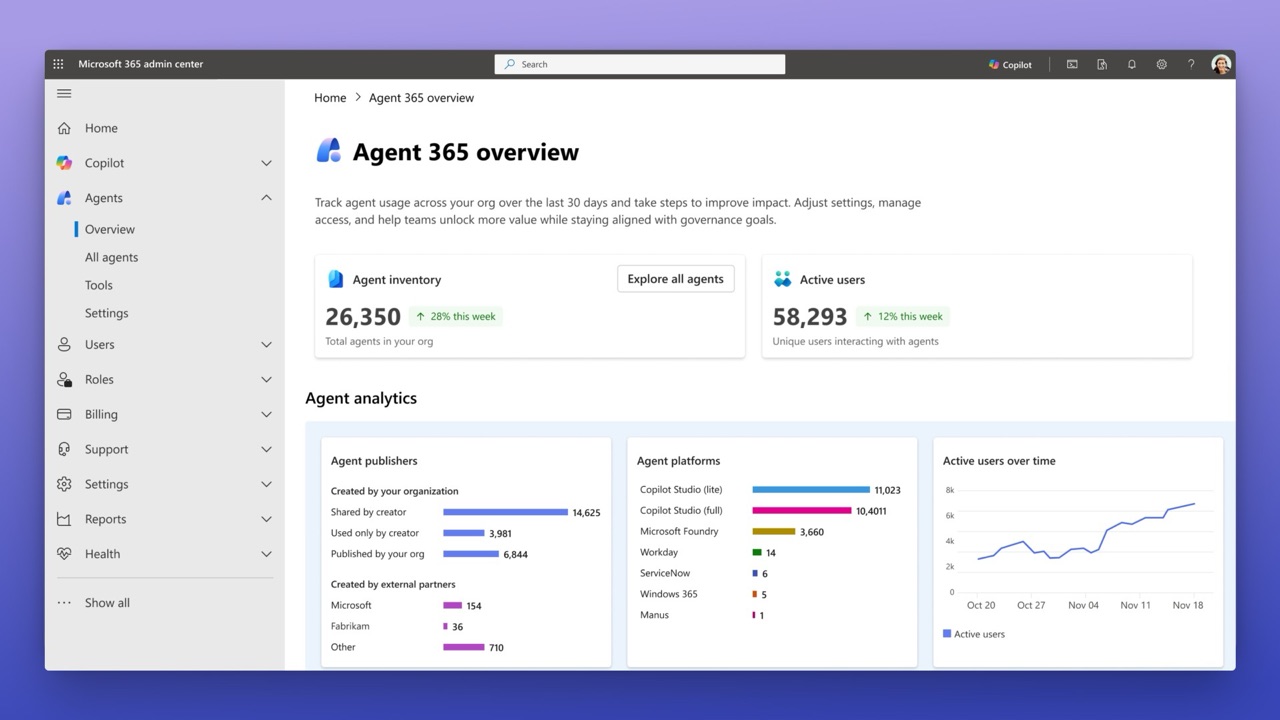
Microsoft introduced Agent 365 on November 18, 2025 as a control plane for managing AI agents across an organization. Its announcement describes an inventory of agents, access controls, observability and security capabilities built around the enterprise systems Microsoft already supplies.
Stablecoin payments need demand as well as speed. Evaluate payer fit, total cost, settlement stages, and exception handling before adding a new payment route.

AMD and OpenAI announced an agreement on October 6, 2025 to deploy six gigawatts of AMD GPU capacity across multiple generations of Instinct hardware. The companies said the first one-gigawatt deployment, using the MI450 series, was scheduled to begin in the second half of 2026.
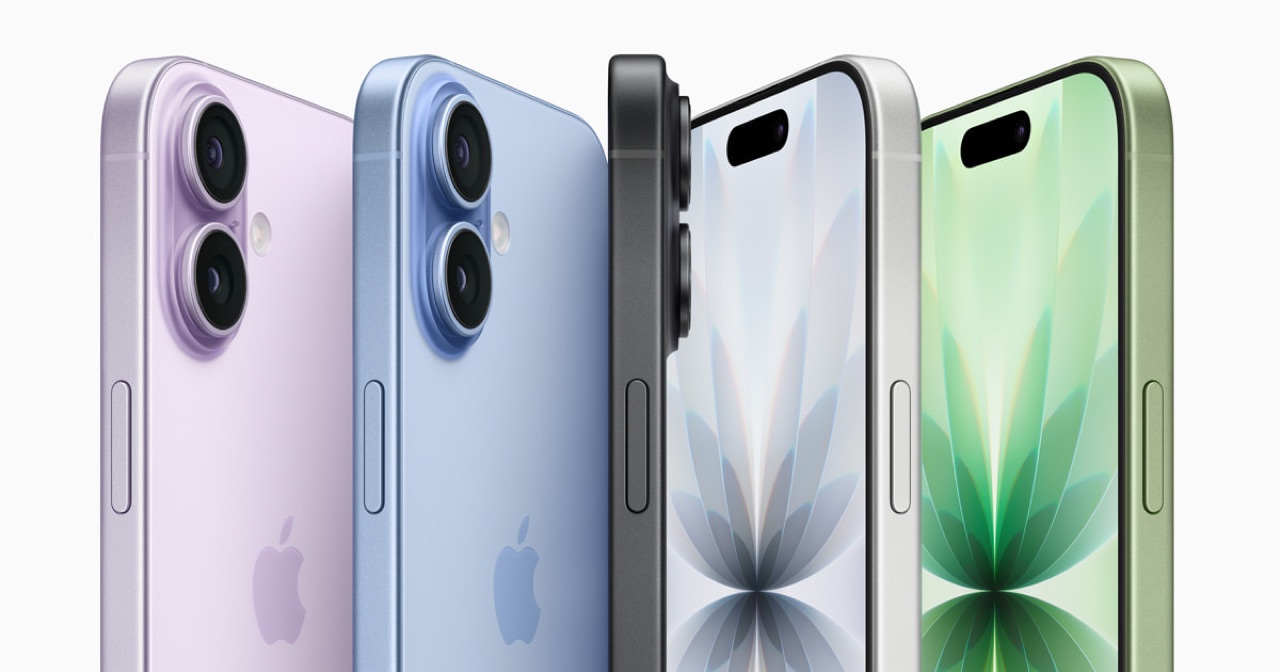
Apple announced iPhone 17 on September 9, 2025, bringing a ProMotion display and the A19 chip to its mainstream iPhone. The new model starts with 256GB of storage, and Apple scheduled preorders for September 12 and initial availability for September 19.

Google announced the Pixel 10, Pixel 10 Pro and Pixel 10 Pro XL on August 20, 2025, introducing the Tensor G5 chip and a new generation of Gemini Nano alongside the phones. The company scheduled retail availability for August 28.

OpenAI introduced ChatGPT agent on July 17, 2025, combining research and interaction with websites in a system that can use a virtual computer. The launch moves the product beyond producing an answer toward carrying out a sequence of actions on a user's behalf.
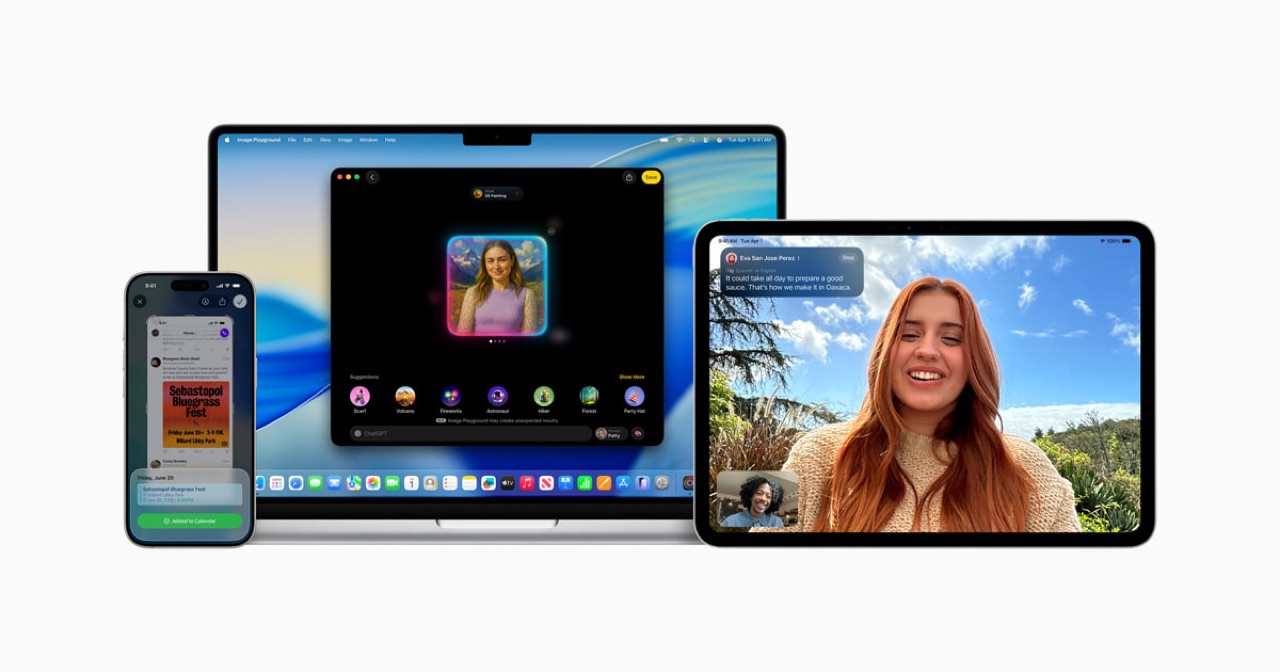
Apple announced on June 9, 2025 that developers would gain access to the on-device foundation model behind Apple Intelligence through a new Foundation Models framework. The announcement at WWDC puts a built-in language model within reach of third-party applications, rather than reserving the technology for Apple's own features.
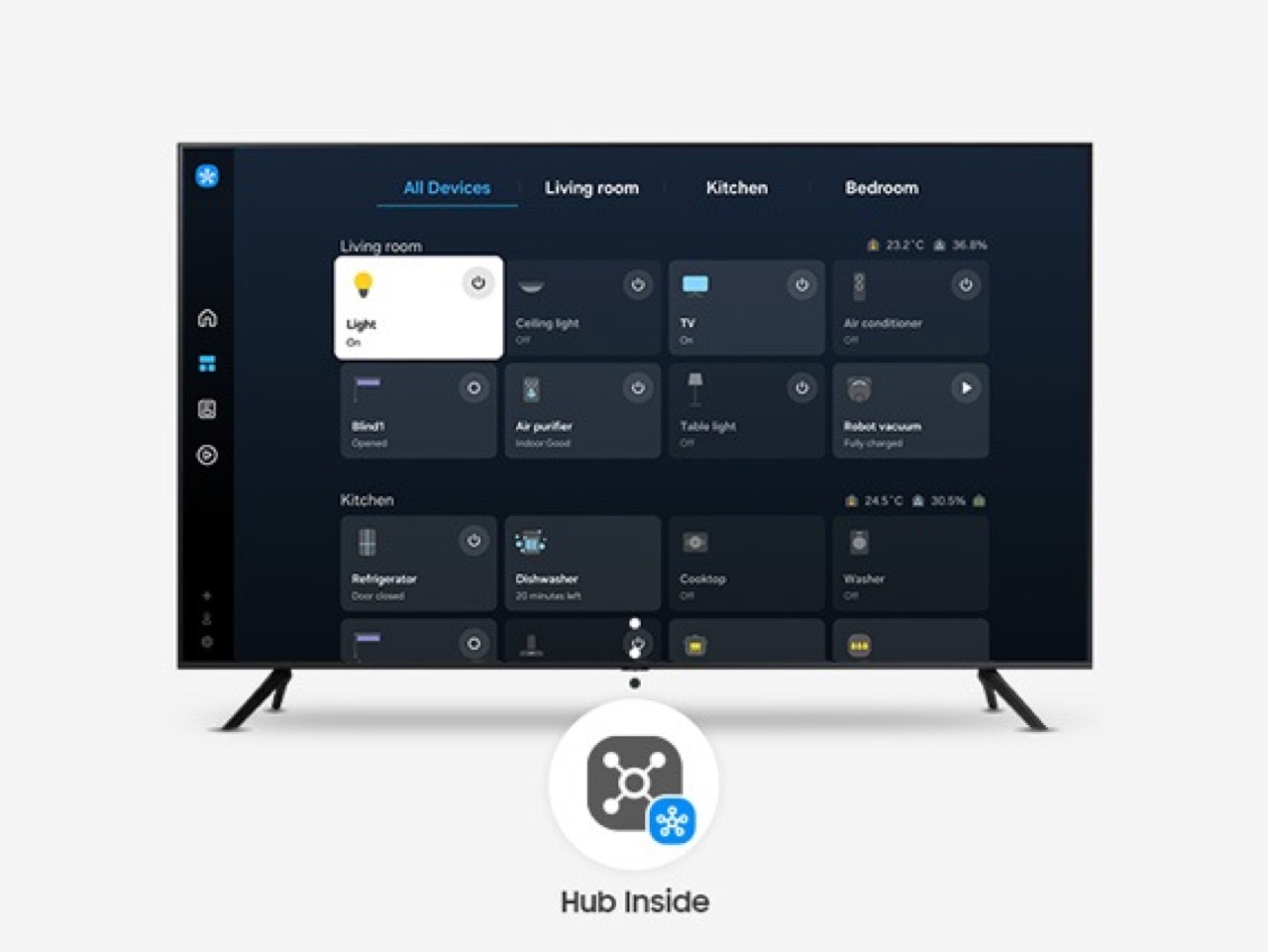
Smart device support affects useful life. Examine update commitments, Matter compatibility, service dependencies, and recovery before buying connected hardware.